
The immediate impression that many get when they hear the term “sustainable” is that it is more expensive. When it comes to landscaping, sustainable practices provide long-term returns in a variety of forms, allowing property owners to benefit greatly from their initial investment. Below are several examples of how sustainable practices can save you money.
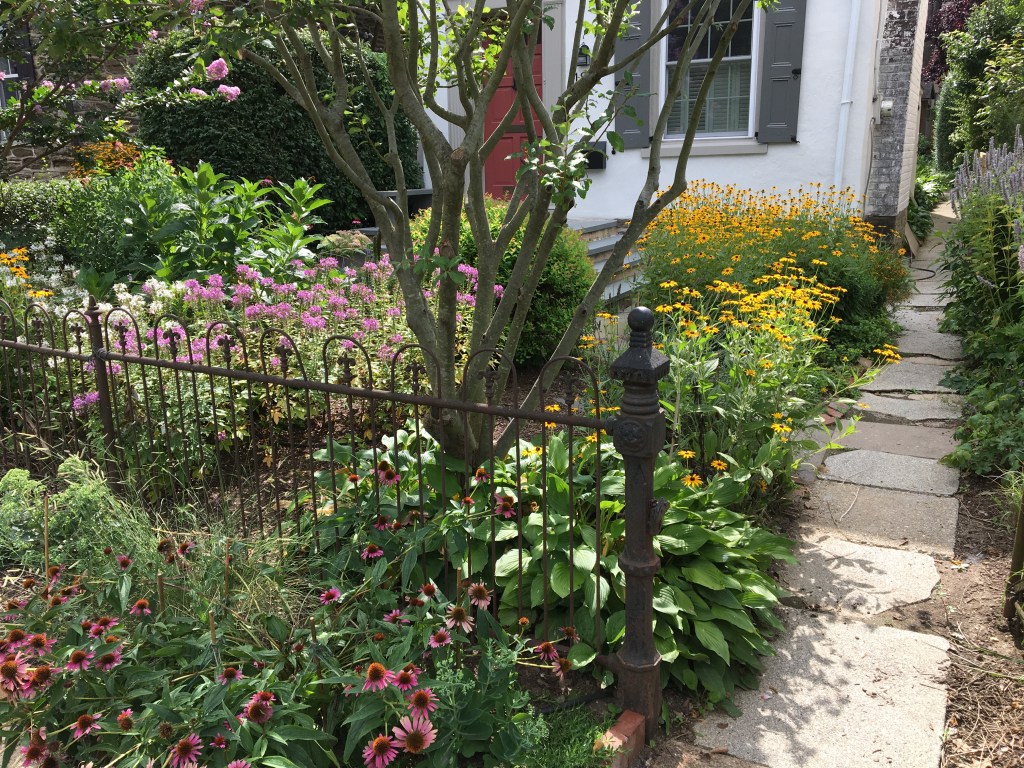
First, choosing perennial plants over annuals immediately reduces the costs associated with purchasing plants, planting them and caring for them. Every purchase of annuals involves paying in time and money to go to a nursery, buying individual plants, and then planting them; if you pay for someone else to do this, then the expenses will add up each year. Choosing perennial plants, such as hardy begonias, phlox or dianthus, such as impatiens, pansies or amaranth can provide seasonal color and foliage effect with only the initial investment of the plant that will then return year after year.
Another benefit of sustainable landscaping practices is to choose native plants over non-native. Native plants are better adapted to a specific climate and region, to rainfall patterns that change from month-to-month and year-to-year, and to the native soil structure. They need little or no fertilizer additions, and they tolerate or repel insects and even weeds. Planting a diverse collection of native plants can create a unique color and design effect while creating a more resilient habitat that lowers long-term maintenance costs while providing equal or superior design effects.
Lawncare management is one of the greatest expenses within the landscaping industry. Depending on your lawncare habitats and whether you maintain your own lawn or pay for this service, a variety of costs involved in keeping your grass green can be reduced or eliminated with sustainable practices. For example, where appropriate, the creation of a rain garden at the end of a downspout helps to direct rain from your roof into your yard rather than running off into the street or driveway. While it may seem inconsequential, the increased likelihood of Spring and Summer droughts means that, when the rain isn’t falling, you have to supplement to keep your grass healthy. If you have a rain garden, especially if your yard slopes slightly away from your home, water that accumulates into the rain garden can slowly drain throughout the rest of your lawn, helping to keep it greener longer. Another practice overlooked is planting small trees or shrubs in strategic locations, providing shade that can reduce water loss from your lawn. The Southwest sun, especially during the summer, leads to a lot of water loss during hot and dry spells. When grass loses too much water, it becomes susceptible to pest and weed pressure, if it doesn’t die completely. Rather than have to install an irrigation system, planting a small tree in this area of your lawn can create shade throughout the day that helps to keep your grass cool in the heat. Finally, many people think that grass just grows in any dirt you throw seed, but the reality is that grass needs certain nutrients and conditions to grow well. This is most important if you bag your grass clippings, but relevant also if you don’t. Periodically applying compost tea, sifted compost or a thin layer of light mulch can help to keep nutrients in your soil so that your grass grows well year-round.
There are many other sustainable practices that can be used to help keep your property looking healthy without long-term costs associated with yearly pesticide, herbicide or fertilizer additions. Even if you decide to invest in more substantial property improvements, such as the addition of planted and mulched beds or permeable hardscapes, there a variety of benefits that come with these sustainably-minded additions. If you are looking for more information or you want an estimate to see how to make your yard more sustainable, please visit the Contact page to find more information or get in touch with ECOworks.
 ECOworks llc