
Winter blues getting you down? Why not head outside and shape your favorite trees and shrubs! Knowing when to prune your plants depends on the type of plant and what you hope to accomplish. Here are some examples to help guide your pruning ventures (or to know when to call a professional…):
- Evergreen plants with leaf production along the branch
Examples of this group include yews, arborvitae, box shrubs and hollies. These shrubs will regenerate from cut marks, though some die back may be experienced, notably in rhododendrons and azaleas. Likewise, very intensive pruning of box shrubs and inkberries that leaves bare branches will lead to entire branch die back, particularly if these branches are located lower on the plant and receive less light exposure.
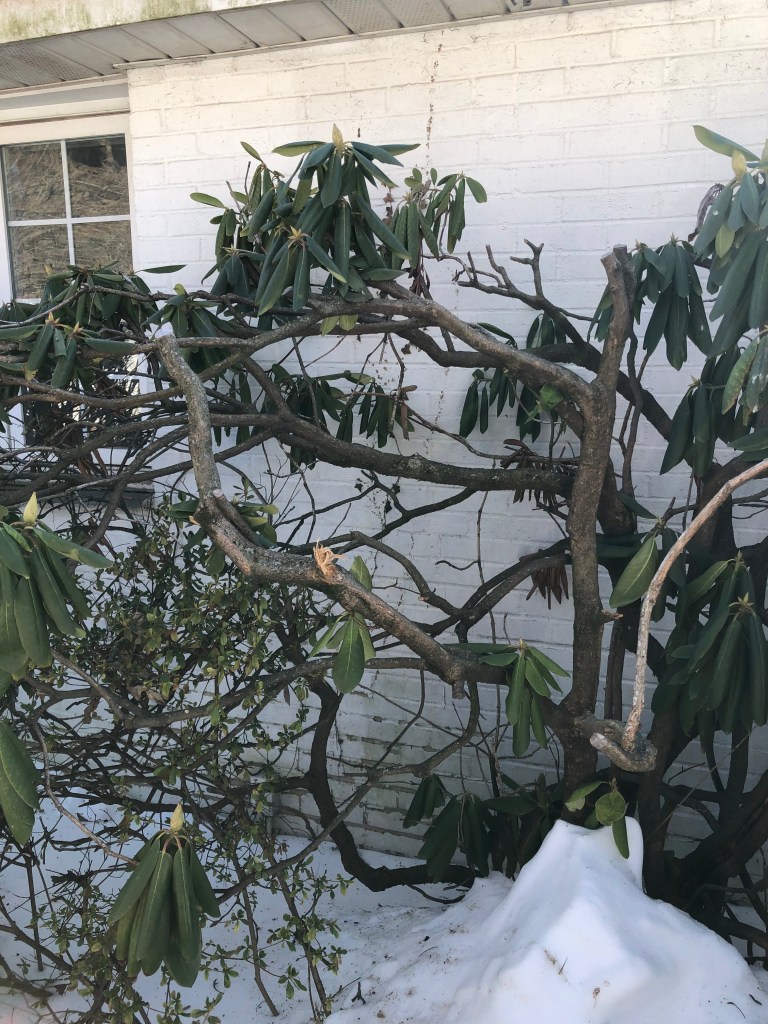
That being said, these are all hardy plants. Unless you are trying to cut them down to 1′ above the ground in a drought, light pruning can be done any time of year to remove unwanted/dead branches or light over growth (pruning just the leafy component). Heavier pruning (cutting into woody parts of the shrub) to shape and train plants is generally recommended in the Spring or Autumn, or pretty much any time between October-April (as a rule of thumb, day time temps lower than 65 degrees Fahrenheit is a good time to prune).
2. Evergreen plantss with leaves primarily at the ends of branches.
Various evergreens, notably pines and spruces, produce vegetation primarily at the ends of the branches. This is most pronounced with Pines and hemlocks; spruces have needles along their branches when young, but needles remain concentrated at the ends of branches as they elongate and trees age. Lighter needles in the spring are known as candles, from which the branch gradually elongates. Cutting off all of the needles at the end of the branch effectively kills the branch.
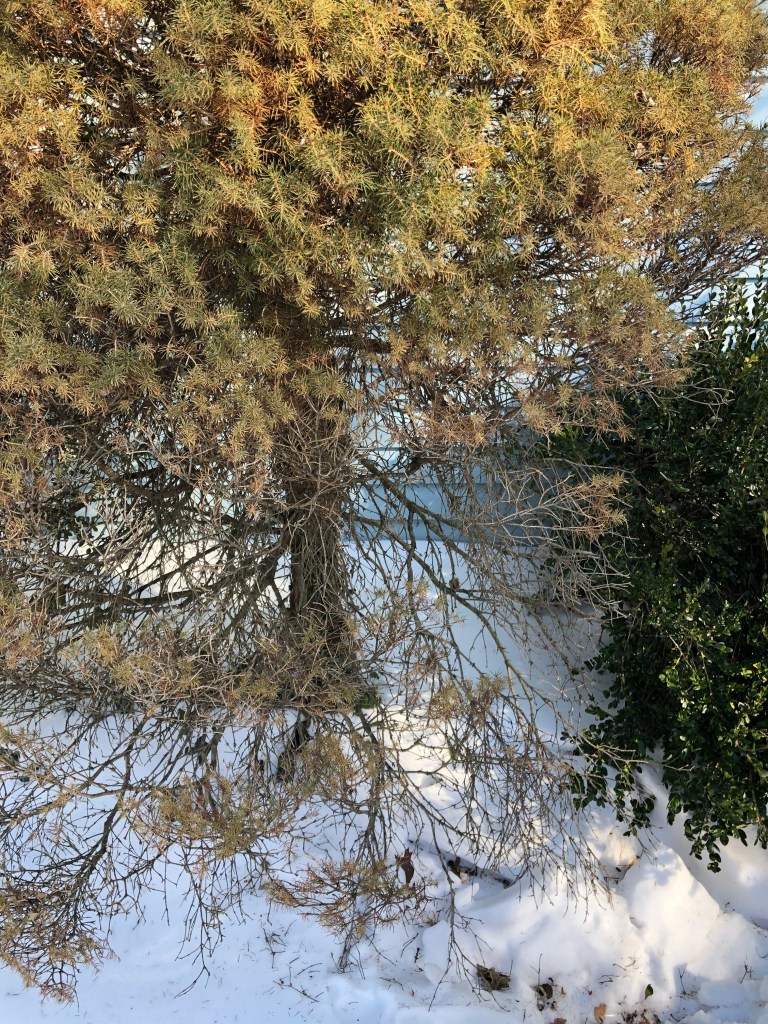
Such trees are known to produce dead branches at they grow taller. Dead branches can be removed any time of year (watch out for the sap though!). If pruning is to be done to maintain form, removing the candles from the tips of the branches during the same window other evergreens are pruned (October-May). It is also wise to avoid summer pruning as these trees can become more stressed during drought, potentially killing the tree.
3. Deciduous woody plants, for flowering
Many trees and shrubs, including Viburnums, hydrangeas, dogwoods, and magnolias, produce abundant, eye-catching blooms. To maximize bloom abundance and coverage over the plant, the pruning rule is to prune after blooming (late April-late June) on plants that bloom on old wood (Ex. lilacs, ornamental cherries) while plants that bloom from new vegetation (Ex. crape myrtles, rose of sharon) should be pruned when dormant (October-April).
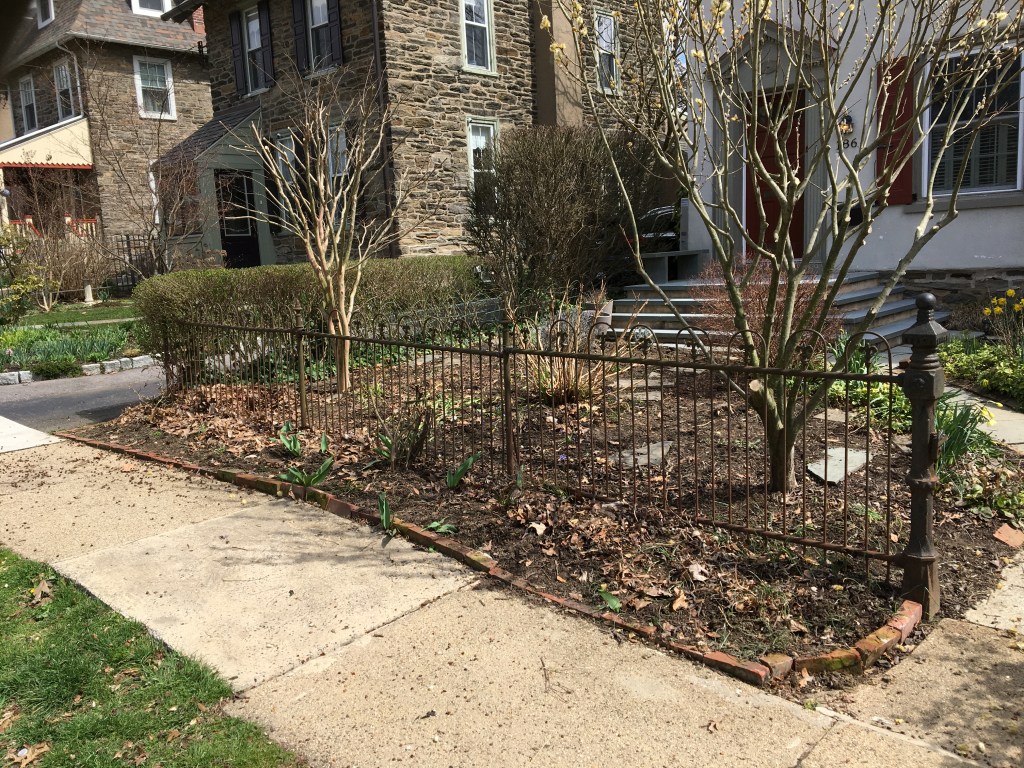
There is variation within various plant genera. For example, pruning roses, viburnums and hydrangeas will depend on each species. As with other plants noted above, dead wood can be removed at any time of year and, if the main concern is removing branches in the way, pruning when dormant (October-April) is perfectly acceptable.
4. Deciduous woody plants, for fruiting
For the backyard orchardist, maximizing fruit production is the goal of owning fruiting trees and shrubs. Like deciduous flowering plants, maximizing bloom production directly correlates with fruit production. The same rules above apply, with most fruiting trees being pruned after they bloom to maximize future bloom production (April-May). However, further pruning is often recommended for most fruiting trees to remove waterspouts and suckers from the base in order to maximize energy concentration in fruit production, for example, in pears and apples These woody, vegetative growths are generally removed in late Spring/Early summer (May-June), though visible growths left over from the previous year are removed in late winter (February-March). The same rules apply for these plants regarding removing dead wood and any obstructive branches.
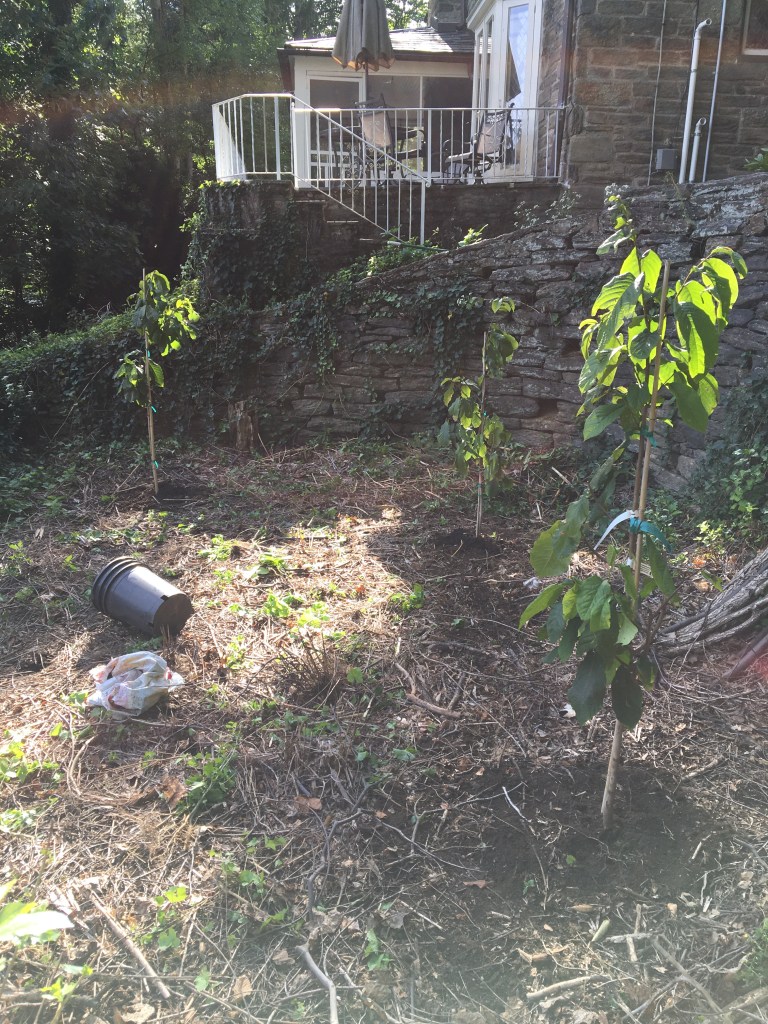
One thing to note is that fruit trees are much more susceptible to fungal and bacterial infections, particularly when fruit is developing. Maximizing light penetration and air circulation is recommended to improve fruit development and overall tree health. Pruning out crossing branches or non-blossom bearing branches, done primarily in late Winter-early Spring, ensures overall tree health and maximal tree yields; those skilled enough to recognize blossom vs. vegetative buds can also prune branches in late winter.
5. Deciduous woody plants, ornamental
Ornamental plants are generally sought for their leaf or branch structure, such as (Japanese) maples, river birch, and beeches. Other trees in the landscape, such as oaks, sweet gums and black walnuts, can have lower branches that can present a nuisance, such as in driveways or against homes. Since there is no impact on bloom performance, pruning during dormancy (October-April) is best. Light pruning can be done for most plants, particularly if it is to remove branch tips or lower branches that don’t impact the overall canopy. However, plants that “bleed” heavily, such as maples, hickories and walnuts, are best pruned when dormant to minimize bleeding and potential infections.

Curious to learn more? Here are some of the many guidelines on pruning plants in the landscape, with some being more species specific than others.
Flowering wood plants pruning guide
Additional pruning guides: from UMaine and UGeorgia
Conclusion
Hopefully, you’ve been tipped off to when to top off the branches of your beloved woody plants. If you would like further consultation or wish to have someone else handle the pruning, please don’t hesitate to contact ECOworks so we can get your plants blooming and flourishing for the year to come.
 ECOworks llc